
"The stock market gets the headlines, but the bond market often writes the story."
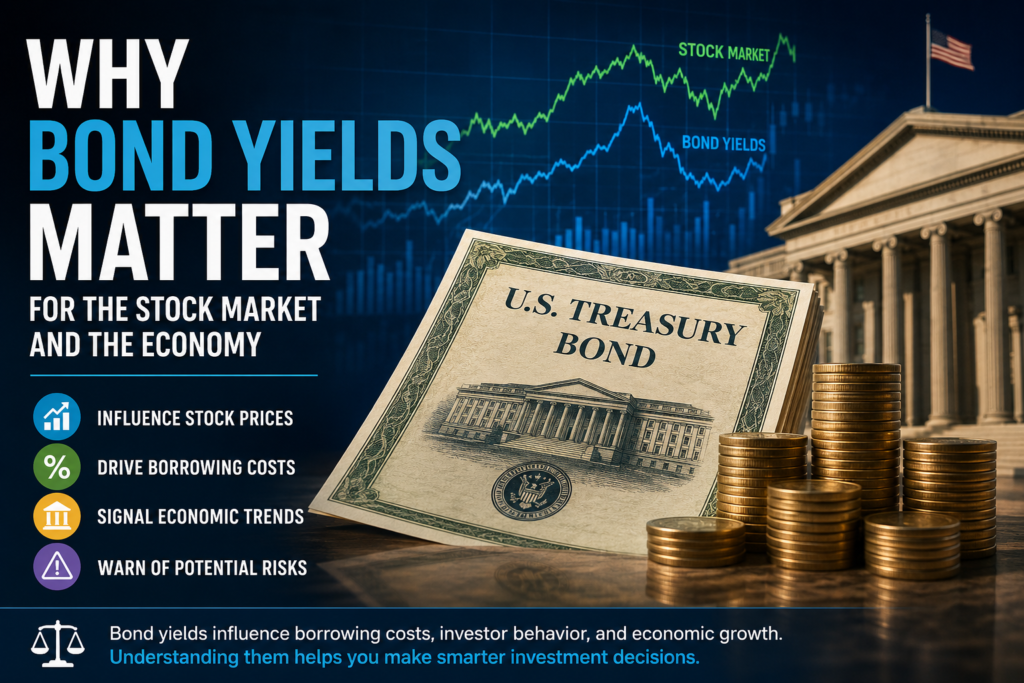
When most investors think about the stock market, they focus on company earnings, economic growth, or market sentiment. However, one of the most important indicators influencing both the stock market and the broader economy is bond yields.
Bond yields may seem like a topic reserved for economists and institutional investors, but understanding them can help everyday investors make better decisions and avoid costly mistakes.
What Are Bond Yields?
A bond yield is the return an investor receives from owning a bond. The most closely watched bond yield in the United States is the yield on the 10-Year U.S. Treasury Note.
Treasury bonds are backed by the U.S. government and are considered one of the safest investments in the world. As bond prices rise, yields fall. As bond prices fall, yields rise.
Because Treasury yields are viewed as the “risk-free rate,” they influence virtually every other asset class.
Why Bond Yields Matter to Stocks
1. They Compete with Stocks for Investor Money
Investors are constantly deciding where to allocate their capital.
When bond yields are low, investors often seek higher returns in stocks. However, when bond yields rise significantly, bonds become more attractive because investors can earn a higher return with lower risk.
For example:
- A 10-Year Treasury yielding 2% may not attract many investors away from stocks.
- A 10-Year Treasury yielding 5% may cause investors to reduce stock exposure and lock in safer returns.
This shift in capital can put downward pressure on stock prices.
2. Higher Yields Increase Borrowing Costs
When Treasury yields rise, interest rates throughout the economy often rise as well.
This affects:
- Mortgage rates
- Auto loans
- Credit cards
- Corporate borrowing
Higher borrowing costs can slow consumer spending and business investment, which may reduce economic growth and corporate profits.
Since stock prices are ultimately driven by earnings, rising yields can negatively impact stock valuations.
3. Growth Stocks Are Especially Sensitive
Technology and growth companies often rely on future earnings expectations.
When bond yields rise, investors discount those future earnings at a higher rate, making them worth less in today’s dollars.
This is one reason why growth stocks often struggle during periods of rapidly rising interest rates.
What Bond Yields Tell Us About the Economy
Bond yields can provide valuable clues about future economic conditions.
Rising Yields Often Signal:
- Strong economic growth
- Higher inflation expectations
- Increased consumer spending
- Potential Federal Reserve tightening
Falling Yields Often Signal:
- Economic slowdown concerns
- Lower inflation expectations
- Increased demand for safety
- Potential Federal Reserve rate cuts
Investors closely monitor these signals because they can help predict future market trends.
The Yield Curve: An Important Warning Signal
One of the most watched indicators is the Treasury yield curve.
Normally, long-term bonds yield more than short-term bonds because investors demand additional compensation for locking up money longer.
When short-term yields become higher than long-term yields, the yield curve becomes inverted.
Historically, yield curve inversions have preceded many U.S. recessions. While not a perfect predictor, they serve as an important warning sign that investors should not ignore.
How Investors Can Use Bond Yields
Bond yields should not be viewed in isolation. Instead, they should be part of an investor’s overall market analysis.
Investors can use bond yields to:
- Evaluate stock market risk
- Assess economic strength
- Monitor inflation expectations
- Identify potential recession signals
- Adjust portfolio allocations
By understanding bond yields, investors gain insight into where institutional money is flowing and how financial conditions are changing.
Final Thoughts
Bond yields are one of the most powerful forces driving financial markets. They influence borrowing costs, stock valuations, investor behavior, and economic growth.
Whether you are a long-term investor, trader, or retiree generating income from options, paying attention to bond yields can provide valuable insight into where markets may be headed next.
The smartest investors don’t just watch stock prices—they watch the signals that drive them. Bond yields are one of those signals.
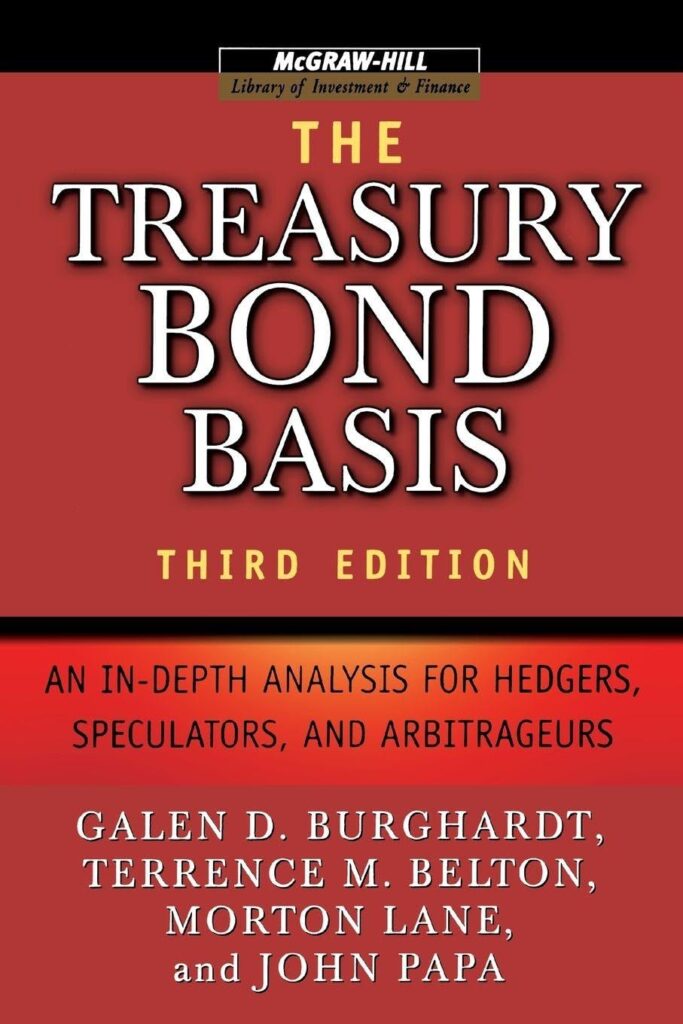
Treasury Bond Basis 3E (PB) (McGraw-Hill Library of Investment and Finance)
by Burghardt (Author)
Now in its third edition, The Treasury Bond Basis is the mandatory reference text for Treasury bond and note futures trading rooms around the world.