
“Consistency beats prediction. That’s the edge in selling SPY options.”
Early retirement isn’t just about saving enough—it’s about creating reliable income without a traditional paycheck. One increasingly popular strategy among financially independent retirees is selling options on the SPDR S&P 500 ETF Trust (SPY).
This approach can generate consistent cash flow, but it requires discipline, risk awareness, and a clear system. Let’s break down how it works.
Why SPY?
The SPDR S&P 500 ETF Trust (SPY) tracks the S&P 500, giving exposure to 500 of the largest U.S. companies.
Early retirees prefer SPY because:
- Liquidity: Extremely high trading volume
- Tight bid/ask spreads: Lower transaction costs
- Diversification: Reduces single-stock risk
- Options availability: Multiple expirations every week
In short, it’s one of the most efficient vehicles for options income strategies.
The Core Strategy: Selling Premium
Instead of buying options (which is speculative), early retirees often sell options to collect premium—essentially getting paid upfront.
The two most common approaches:
1. Cash-Secured Puts (Getting Paid to Buy)
You sell a put option at a strike price where you’d be comfortable owning SPY.
Example:
- SPY is trading at $500
- You sell a $480 put
- You collect $300 in premium
Outcomes:
- If SPY stays above $480 → You keep the $300
- If SPY drops below $480 → You may be assigned shares at a discount
This is often step one of a larger strategy.
2. Covered Calls (Getting Paid to Sell)
Once you own shares, you can sell call options against them.
Example:
- You own 100 shares of SPY
- You sell a $520 call
- You collect $250 in premium
Outcomes:
- If SPY stays below $520 → You keep shares + premium
- If SPY rises above $520 → Shares get sold at a profit
The “Wheel Strategy”
Many early retirees combine both into a cycle called the Wheel:
- Sell cash-secured puts
- Get assigned shares
- Sell covered calls
- Shares get called away
- Repeat
This creates a consistent income loop while staying invested in a broad market ETF.
Why This Works for Early Retirees
Early retirees often prioritize:
- Predictable cash flow
- Capital preservation
- Reduced emotional stress
Selling options on SPY helps by:
- Generating monthly or weekly income
- Lowering cost basis over time
- Avoiding the need to time the market perfectly
Realistic Income Expectations
Let’s be clear: this is not a “get rich quick” strategy.
Typical outcomes:
- ~0.5% to 2% monthly income (varies with volatility)
- Higher income during volatile markets
- Lower income during calm markets
A $500,000 portfolio might generate:
- $2,500–$7,500/month (before taxes and risk adjustments)
Risks You Must Understand
This strategy is not risk-free.
Market Downturns
If SPY drops significantly, you could:
- Be assigned shares at higher prices
- Sit on unrealized losses
Opportunity Cost
If SPY rallies hard:
- Covered calls cap your upside
Emotional Discipline
The biggest risk isn’t the market—it’s:
- Overtrading
- Chasing premium
- Ignoring risk management
Risk Management Rules Many Retirees Follow
Successful early retirees tend to:
- Stick to 1–2% risk per trade
- Avoid selling options during major news events
- Keep cash reserves (don’t go all-in)
- Use 30–45 day expirations for balance
- Roll positions instead of taking losses impulsively
Taxes Matter
Options income is typically taxed as:
- Short-term capital gains (higher tax rate)
Some retirees optimize by:
- Trading in tax-advantaged accounts (IRAs)
- Managing trade frequency
Is This Strategy Right for You?
Selling options on SPY may fit if you:
- Want income over maximum growth
- Are comfortable owning SPY long-term
- Can follow a disciplined system
It may not be ideal if you:
- Panic during market dips
- Want unlimited upside
- Don’t fully understand options mechanics
Final Thoughts
Early retirement isn’t about avoiding work—it’s about designing your income streams.
Selling options on the SPDR S&P 500 ETF Trust (SPY) can be a powerful tool when used responsibly. It turns market participation into a consistent income engine—but only for those willing to respect the risks and stay disciplined.
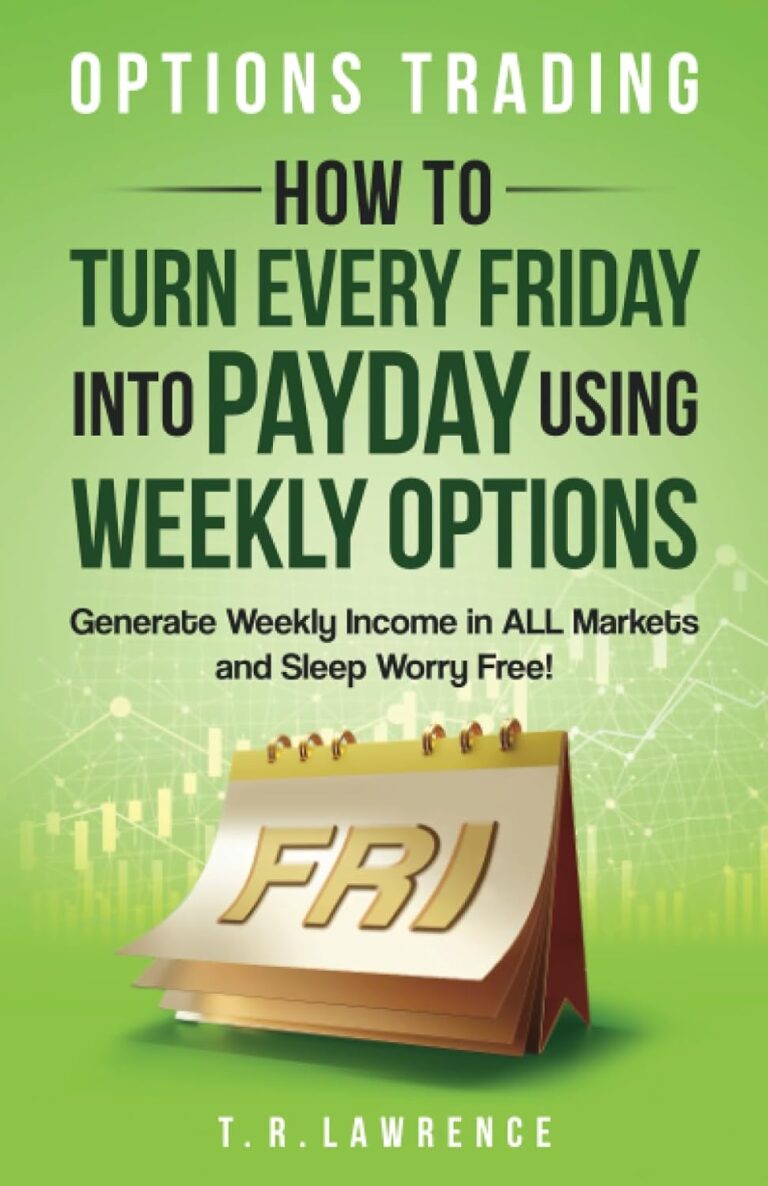
Options Trading: How to Turn Every Friday into Payday Using Weekly Options! Generate Weekly Income in ALL Markets and Sleep Worry-Free!
by T.R. Lawrence (Author)
The odds are 75% in your favor that you will profit from an options trade And it’s even less risky – and potentially more lucrative – for the smaller investor if you trade weekly.